
Grown Up In Britain Exhibition
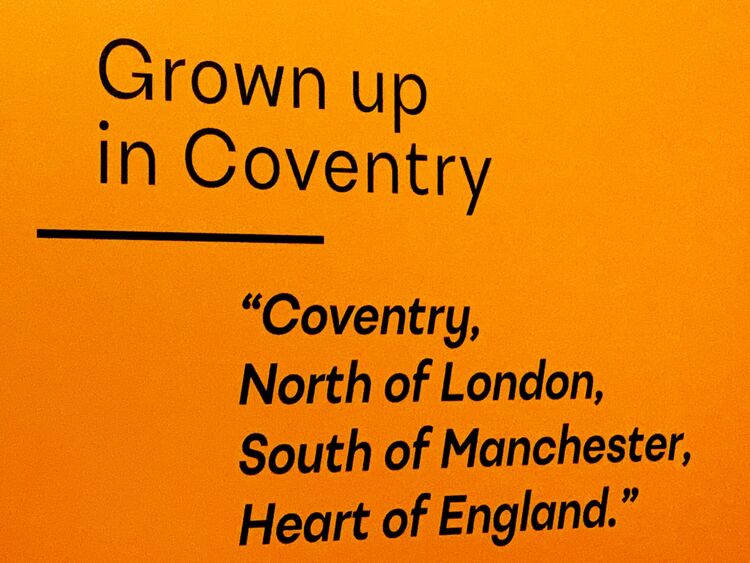
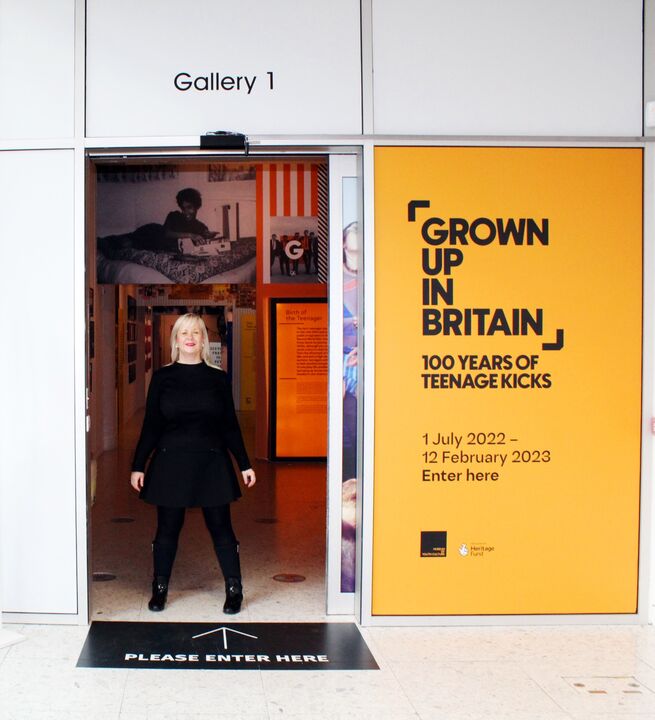
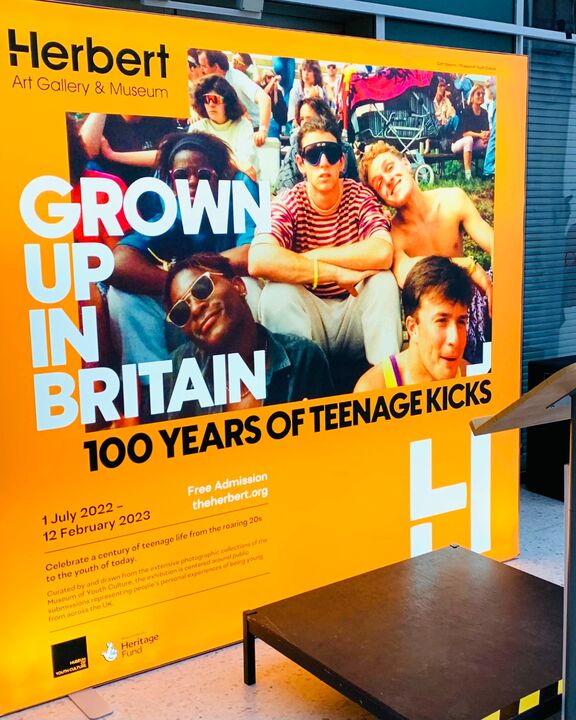
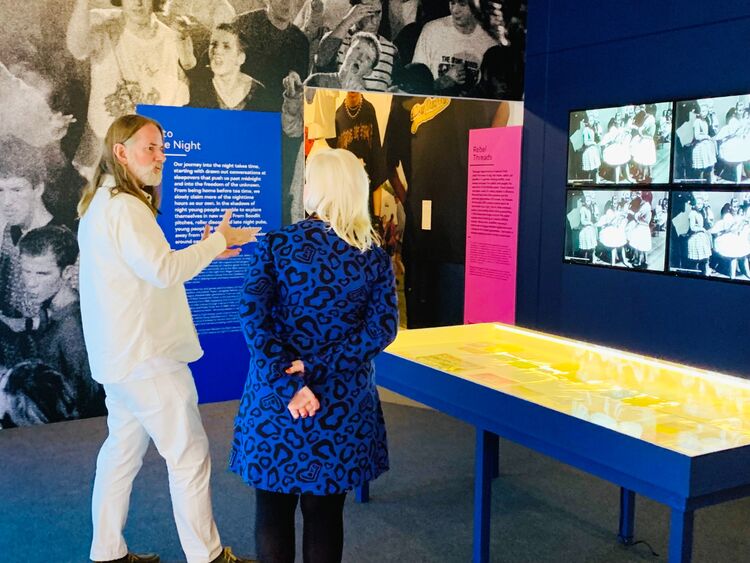
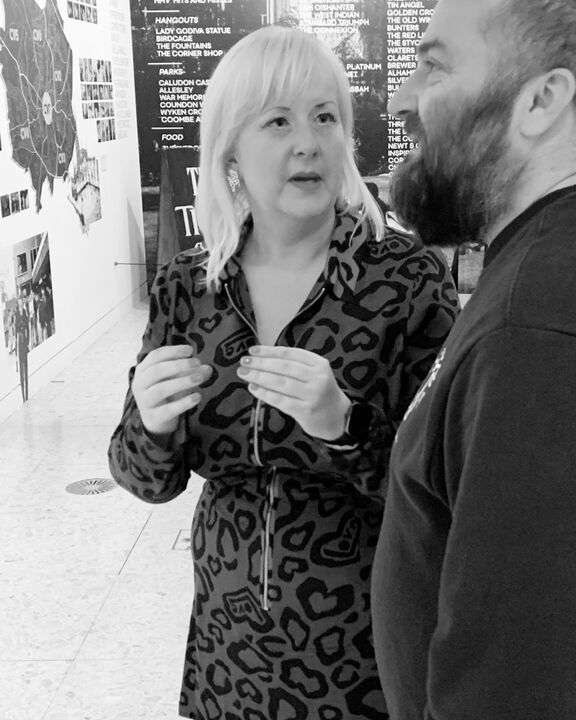
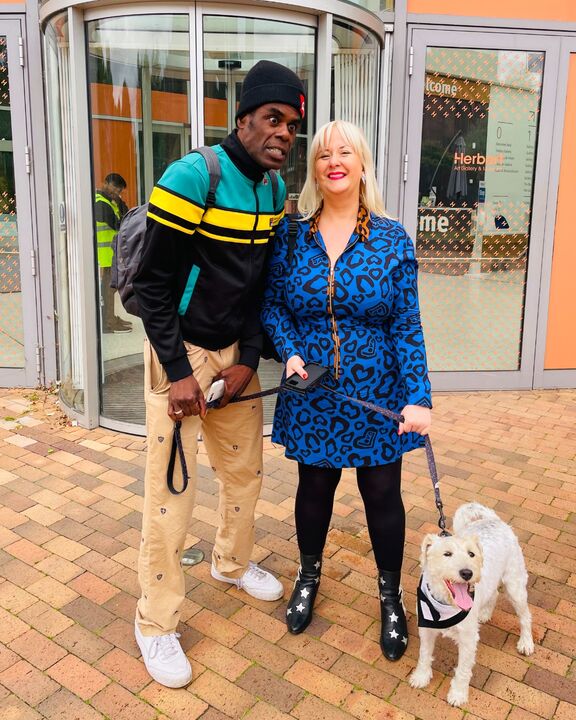
Grown Up in Britain was a major six-month exhibition held at The Herbert Art Gallery & Museum in Coventry from 2022 to 2023. Curated by the Museum of Youth Culture, the exhibition explored British youth culture through photography, fashion, personal archives and objects.
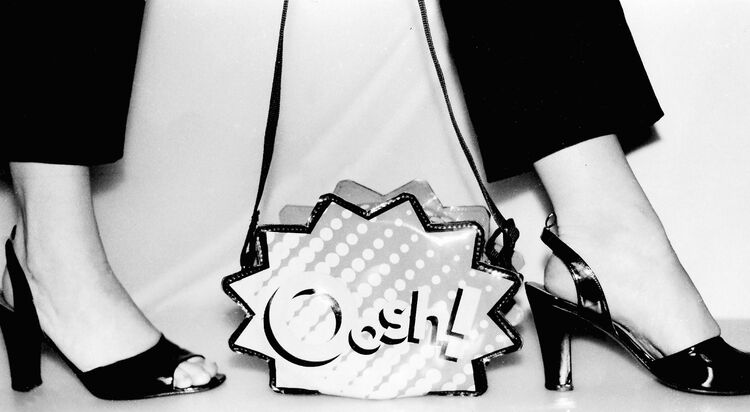
The exhibition featured a number of images connected to Lucy. These included photographs in which she appeared, photographs she had taken herself, and images from her family archive, which dates back to the 1940s. Lucy also exhibited some of her 1990s clubwear, including a bag she owned which was in the shape of a speech bubble, similar to Roy Lichtenstein’s work.
Lucy has worked with the Museum of Youth Culture for more than ten years. The exhibition brought together the work of numerous photographers, including Normski, Ken Russell, Tony Davis, Neil Massey and Peter Walsh.
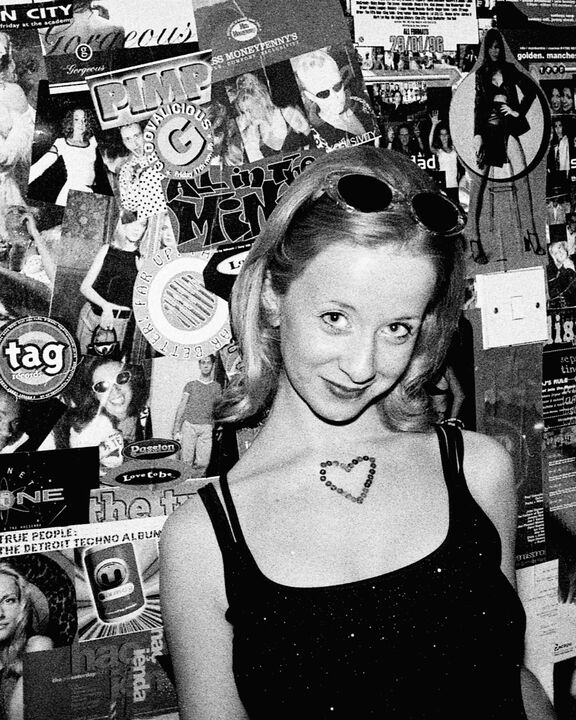
One of the exhibition’s key installations was a recreation of a teenager’s bedroom. Among the photographs displayed was an image of Lucy in her self-constructed rave bedroom — a space created using a montage of rave flyers and photographs collected during the period.
In the photograph, taken by her friend Kellie Finnegan, Lucy stands directly in front of the camera. Rather than wearing conventional jewellery, she has created a heart on her chest from sequins. She wears sunglasses on top of her head, a style that was popular among ravers during the 1990s.
Lucy’s photographs of fellow ravers were not simply a record of the hedonism and energy of 1990s rave culture. They also formed part of her schoolwork. As a teenage photographer, Lucy was taking photographs to complete her GCSE and A-level photography courses. She processed her own negatives and printed the images in the school darkroom.
She would then experiment with the photographs, creating montages and incorporating paint, glitter and fabric to give the images a three-dimensional quality. These techniques also allowed her to emphasise the extravagance, creativity and individuality of the clothes worn by the ravers she photographed.
Following the enforcement of the Criminal Justice Act in 1994, outdoor raves became increasingly difficult to organise and the number of large-scale illegal gatherings began to decline. In response, dance clubs became an increasingly important space for self-expression, experimentation and the evolution of club style. Clothing no longer had to be purely functional; instead, it became a way of expressing identity, sexuality and belonging.
Club culture became a melting pot of different subcultures and influences. Elements of BDSM, PVC and leather were incorporated alongside underwear worn as outerwear, corsetry and other forms of provocative styling. These influences created a more playful and experimental approach to clubwear, allowing people to construct and perform their identities through fashion.
Grown Up in Britain captured this moment of cultural change, showing how photography, fashion and personal archives can provide a powerful record of British youth culture and the people who shaped it.
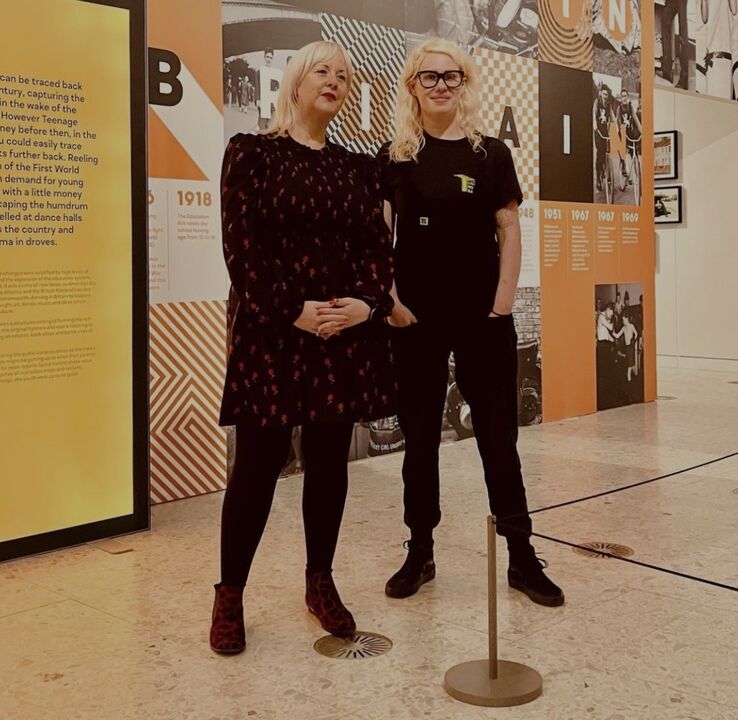
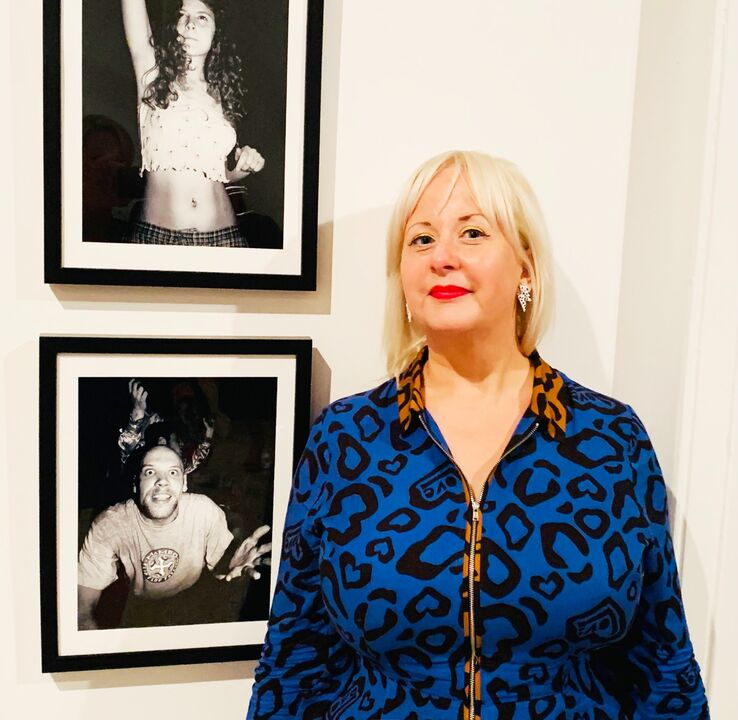
The exhibition featured a number of images connected to Lucy. These included photographs in which she appeared, photographs she had taken herself, and images from her family archive, which dates back to the 1940s. Lucy also exhibited some of her 1990s clubwear, including a bag she owned which was in the shape of a speech bubble, similar to Roy Lichtenstein’s work.
Lucy has worked with the Museum of Youth Culture for more than ten years. The exhibition brought together the work of numerous photographers, including Normski, Ken Russell, Tony Davis, Neil Massey and Peter Walsh.
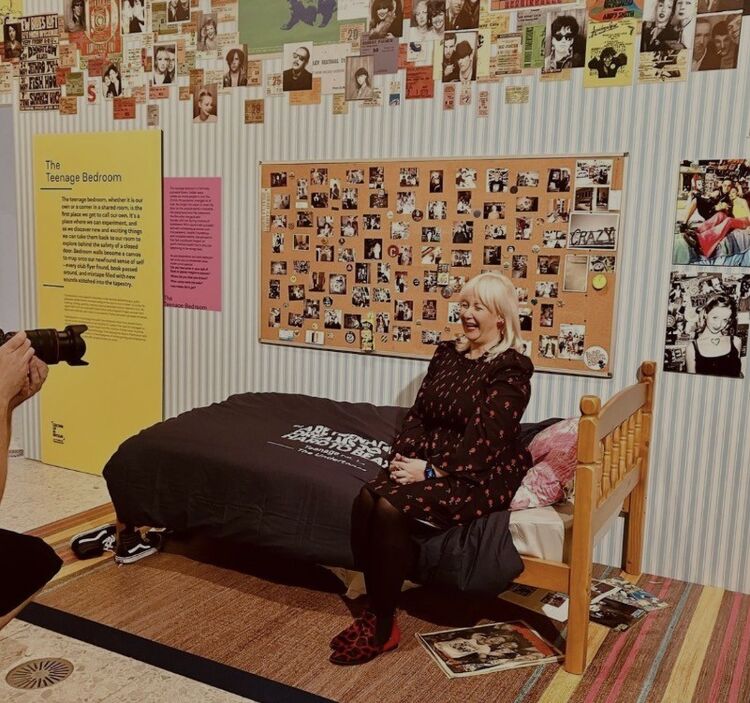
One of the exhibition’s key installations was a recreation of a teenager’s bedroom. Among the photographs displayed was an image of Lucy in her self-constructed rave bedroom — a space created using a montage of rave flyers and photographs collected during the period.
In the photograph, taken by her friend Kellie Finnegan, Lucy stands directly in front of the camera. Rather than wearing conventional jewellery, she has created a heart on her chest from sequins. She wears sunglasses on top of her head, a style that was popular among ravers during the 1990s.
Lucy’s photographs of fellow ravers were not simply a record of the hedonism and energy of 1990s rave culture. They also formed part of her schoolwork. As a teenage photographer, Lucy was taking photographs to complete her GCSE and A-level photography courses. She processed her own negatives and printed the images in the school darkroom.
She would then experiment with the photographs, creating montages and incorporating paint, glitter and fabric to give the images a three-dimensional quality. These techniques also allowed her to emphasise the extravagance, creativity and individuality of the clothes worn by the ravers she photographed.
Following the enforcement of the Criminal Justice Act in 1994, outdoor raves became increasingly difficult to organise and the number of large-scale illegal gatherings began to decline. In response, dance clubs became an increasingly important space for self-expression, experimentation and the evolution of club style. Clothing no longer had to be purely functional; instead, it became a way of expressing identity, sexuality and belonging.
Club culture became a melting pot of different subcultures and influences. Elements of BDSM, PVC and leather were incorporated alongside underwear worn as outerwear, corsetry and other forms of provocative styling. These influences created a more playful and experimental approach to clubwear, allowing people to construct and perform their identities through fashion.
Grown Up in Britain captured this moment of cultural change, showing how photography, fashion and personal archives can provide a powerful record of British youth culture and the people who shaped it.